
Time & Other thieves
Named after a line in Joni Mitchell’s “Furry Sings the Blues,” my podcast,Time & Other Thieves, is a platform for exploring philosophical and spiritual ideas as they’re presented in various books. It started as a radio show on Asheville FM in June of 2021. The blog on this website is a readable version of my podcast.
On the last Wednesday of every month I lead Time & Other Thieves: The Group: A monthly discussion, meditation, and interpersonal process group. We meet from 6–7:30 p.m. on Zoom. After a 10-minute silent meditation, we discuss the book in question for that month, paying careful attention to the interpersonal feelings our conversation evokes, and doing our best to put those feelings into words. It’s basically a process group that uses books as a springboard for discussion. $60 per session, with a 6-session commitment.
podcast episodes
about group
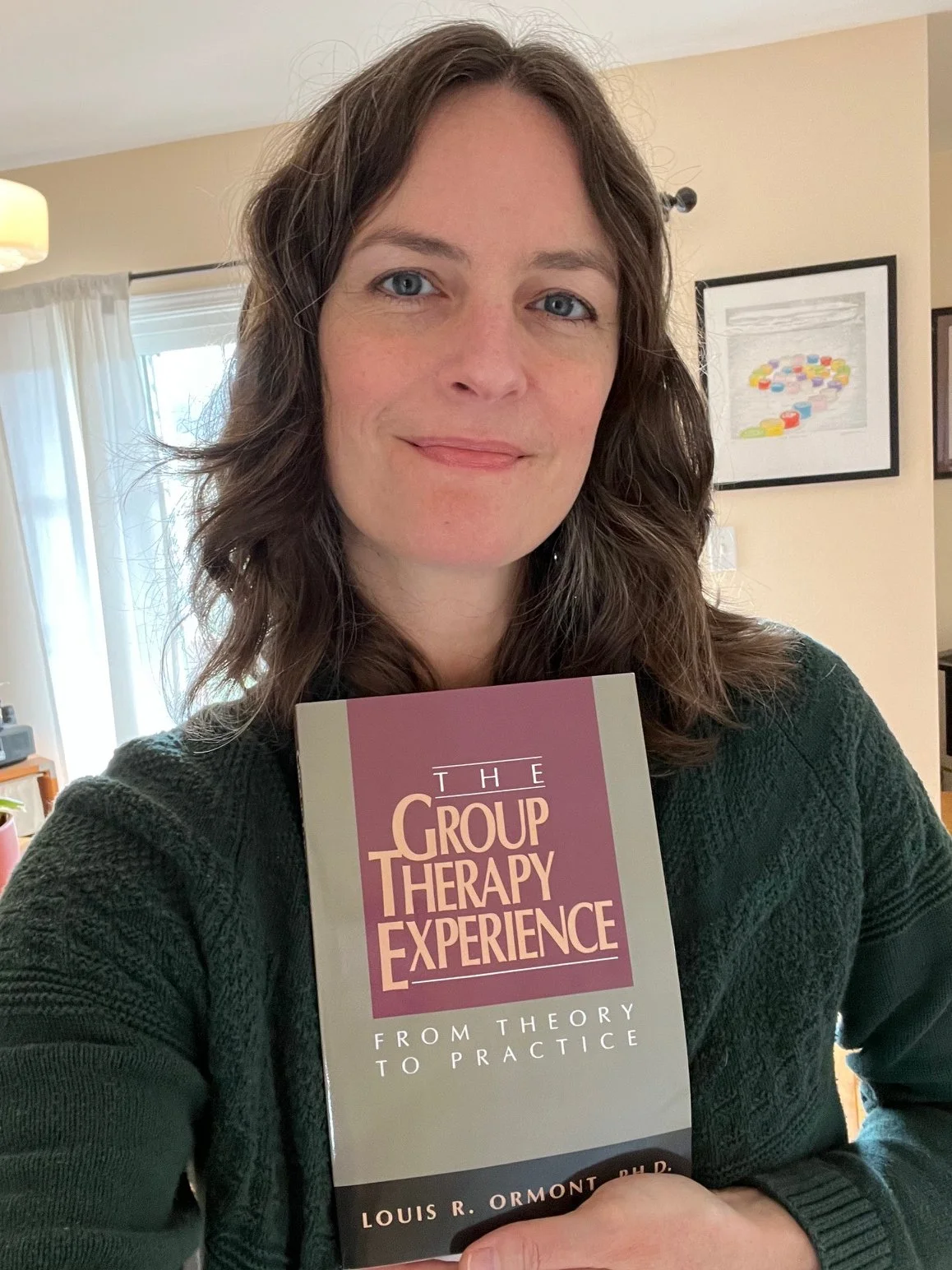
In this episode, published in July of 2024, I explore my fascination with interpersonal process groups and why I'm so stoked to start one of my own! Using Louis Ormont's book "The Group Therapy Experience" as my focus, I discuss what makes process groups so effective and describe some techniques used by group therapists to deepen connections between members and help them practice new behaviors.

In this episode I share a conversation I had with two women who are as passionate about group as I am: psychologist Sarah Taylor and spiritual director Vanessa Caruso. In this lively discussion, they talk about their 30-plus years of friendship and how they decided to start facilitating interpersonal process groups together. Among other aspects of group, they explore the sense of abundance that it cultivates, the courage and creativity inherent in the process, and the differences between being a group member and a group leader.
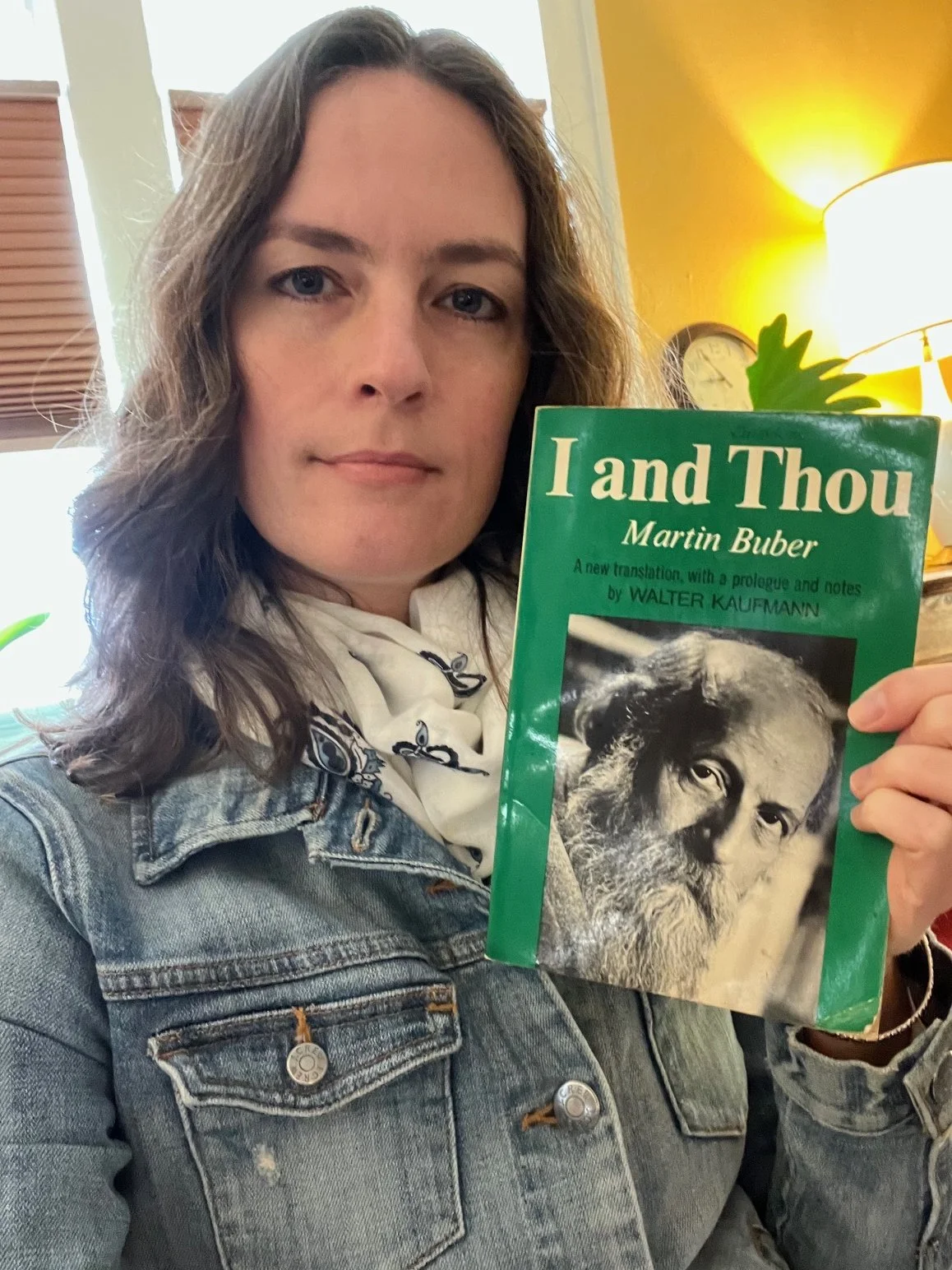
In this episode I explore some of the ideas in Martin Buber's "I and Thou," which presents the dialogical philosophy for which he's most well known. I discuss these ideas through a process-group lens, focusing on how group provides an opportunity to inhabit the You-world instead of the It-world, to encounter and actualize others instead of merely experience or use them. And through that encounter, we contact the eternal in others—and in ourselves. To quote Buber, "I require a You to become; becoming I, I say You.”
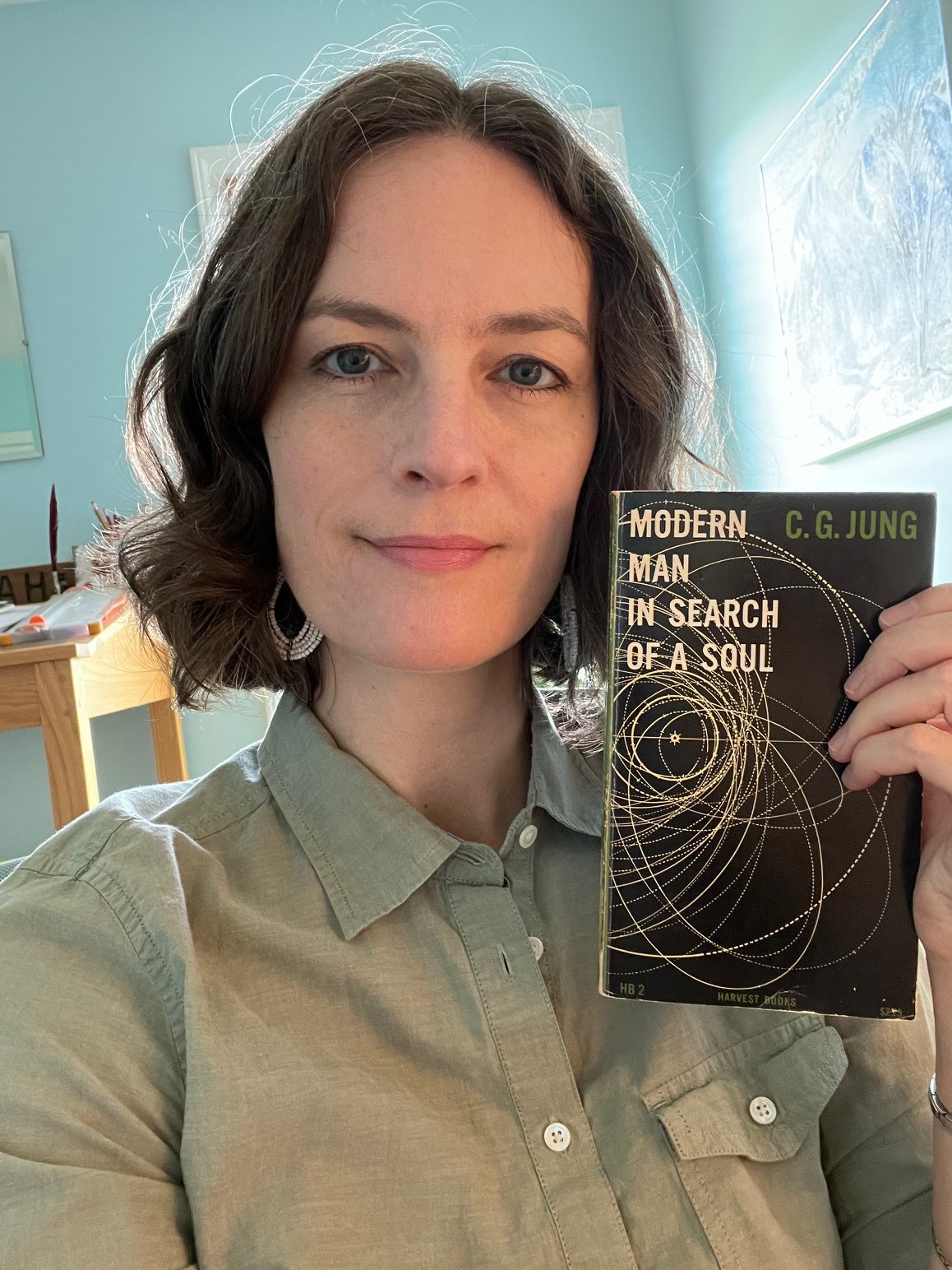
In this episode, I explore some of the ideas that Carl Jung expounds upon in his 1933 book, "Modern Man in Search of a Soul." There's the notion that we cannot fully accept others unless we've fully accepted (i.e., loved) ourselves; that the parts of ourselves we deem unacceptable will be banished to the unconscious and wreak havoc in ways we can't control, while we WOULD have more control if we accepted them; that "certainties can arise only through doubt"; and that problems are necessary.
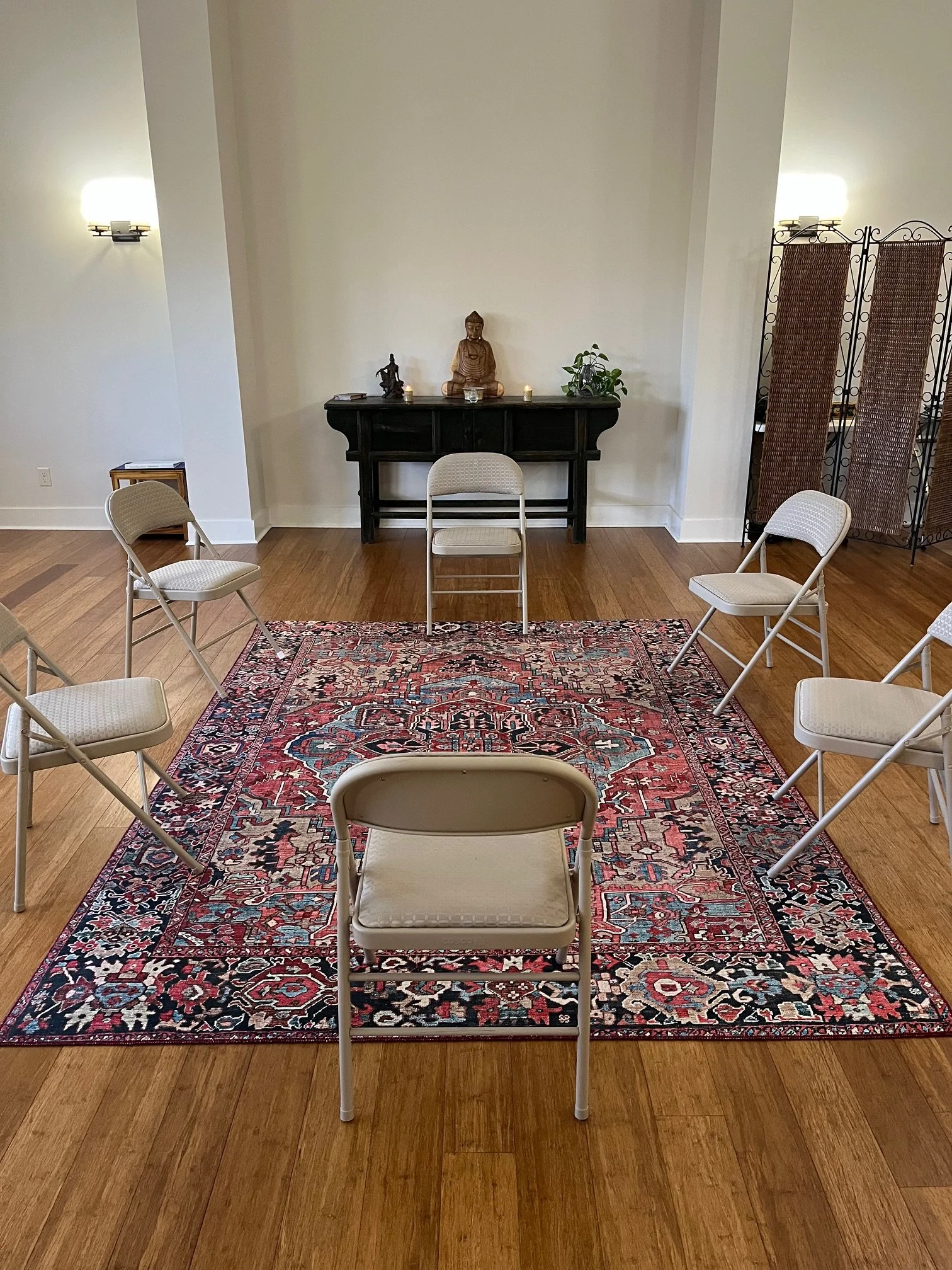
In this episode I share an edited version of a Zoom lecture I gave in the spring of 2025. A collection and synthesis of some of my favorite spiritual teachings, this lecture explores how group is a way of "getting beyond conditioning," of learning how to be alive, of cultivating courage, of becoming more of oneself and accepting life on life's terms—all definitions of spirituality that I love (among others). The ideas of Anthony de Mello, Paul Tillich, Martin Buber, Howard Thurman, Shunryu Suzuki, and Edward Espe Brown support my thesis that group's many invitations are guiding us into closer and closer contact with the truth of the present moment.
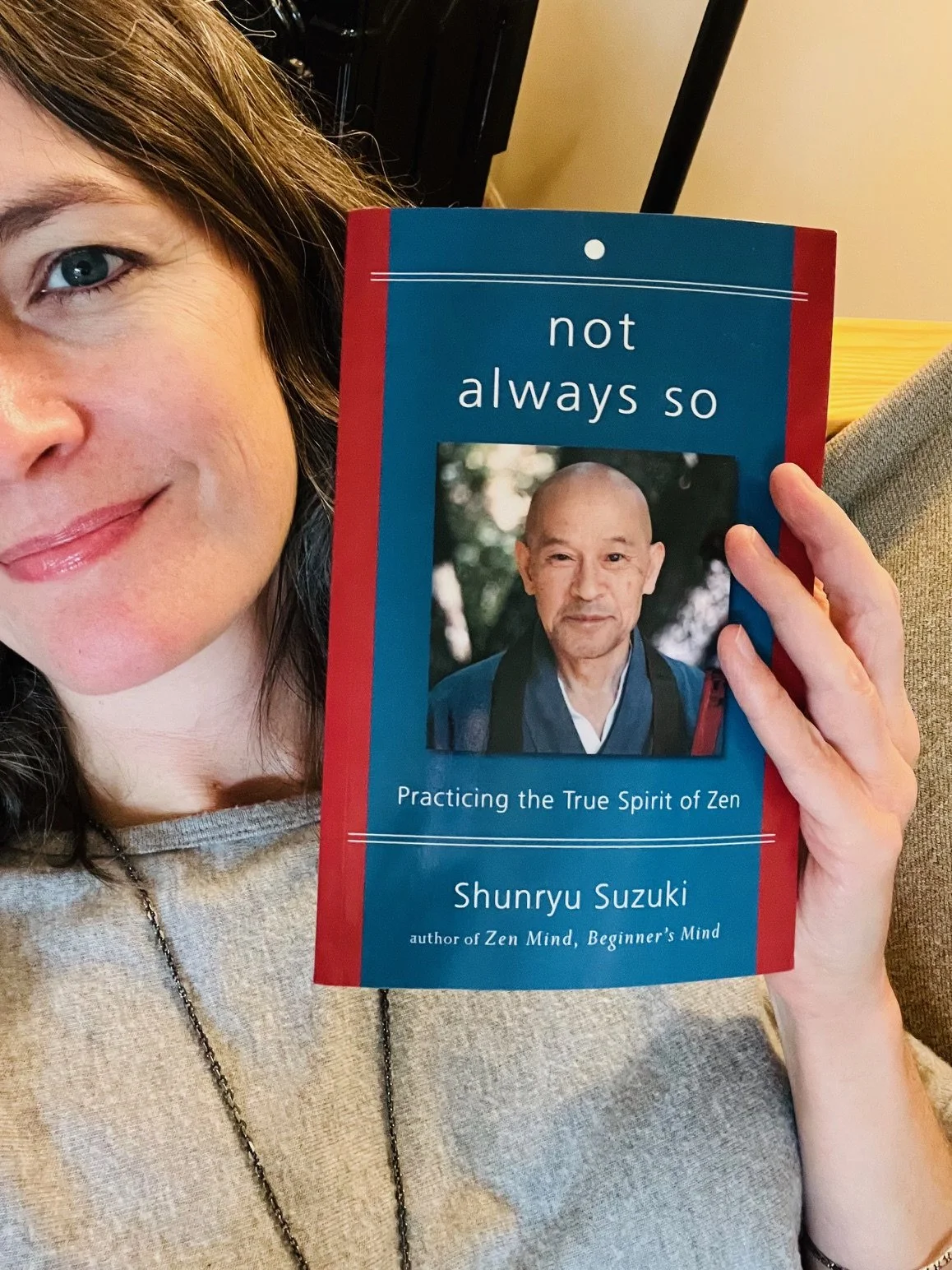
In this episode I explore some of my favorite ideas from the book "Not Always So: Practicing the True Spirit of Zen," by Shunryu Suzuki. What does it mean to be oneself? How does being oneself relate to the Buddhist notion of emptiness? What is the ultimate goal or purpose of spiritual practice? I'll address these questions and more while also reflecting on how these ideas apply to group.
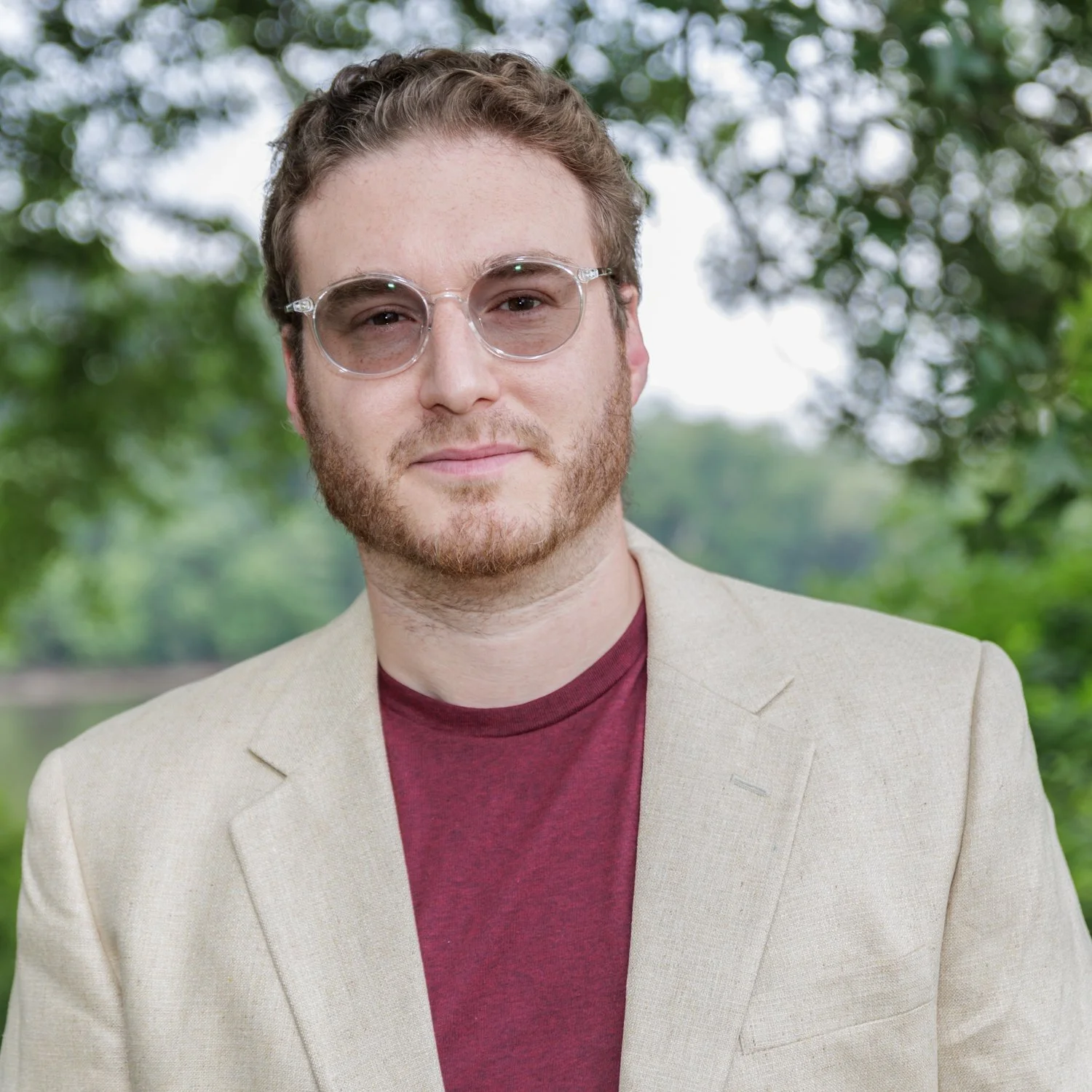
In this episode I share a conversation with Jacob Winkler, founder and facilitator of the Masters of Group Therapy Club. I hope you enjoy this tiny sliver of the giant pie that is Jacob's knowledge and wisdom around the human psyche and how to work with it in the context of process groups. He talks about honoring what people are coming in with instead of pushing it to the side in order to stay on task, about the power of the unconscious mind, about writing as a form of self therapy, and about the value in studying one's own irritation with others as a way to help those people become more of themselves.
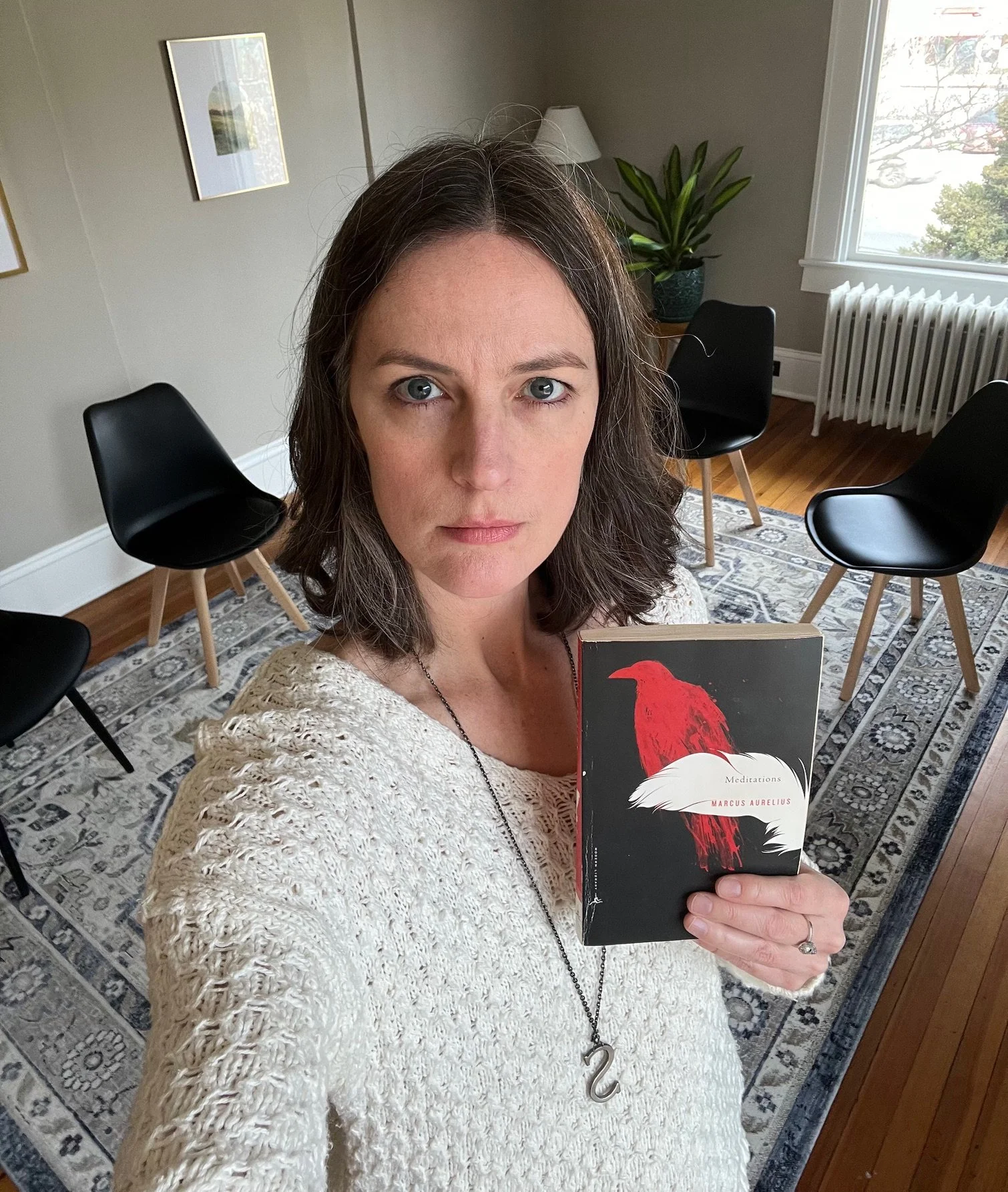
In this episode I share an edited version of a Zoom lecture I gave in December of 2025 about applying the Meditations of Marcus Aurelius to the practice of group psychotherapy, and to interpersonal process groups in particular. I focus on the Stoic disciplines of perception, action, and will (or "divine acquiescence") and provide examples of how we can thrive—as group members and leaders—by bringing more awareness to these disciplines as we sit in the group circle.